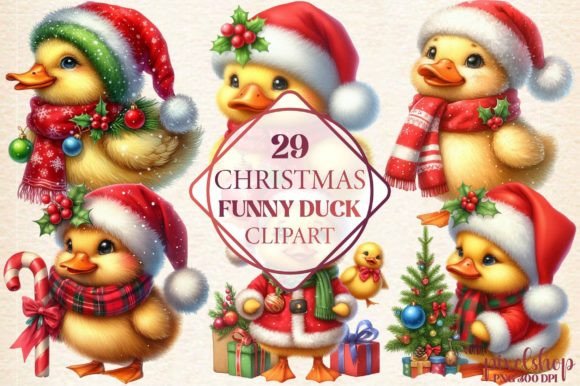
Christmas Funny Duck Clipart: Illustrations Review
As a digital publisher and blog designer who has spent years optimizing content for reader engagement, I approach every new graphic design asset with a critical eye. It is not just about whether an image looks cute; it is about whether it functions within a real-world publishing workflow. Recently, I reviewed the Christmas Funny Duck Clipart collection to determine its viability for high-traffic blogs, affiliate sites, and digital product creation. The first impression was immediate: this set strikes a rare balance between whimsical charm and clean, usable design. For content creators looking to inject personality into their seasonal campaigns without sacrificing professionalism, these Illustrations offer a compelling solution.
Editorial Mood and Brand Perception
The visual language of Christmas Funny Duck Clipart leans heavily into a playful, lifestyle-focused aesthetic. In editorial design, mood is everything. When a reader lands on a page, the imagery sets the emotional tone before they read a single word. These duck-themed visuals communicate warmth, humor, and approachability. They are not stiff or overly corporate, which makes them ideal for niches such as parenting blogs, DIY craft sites, family-oriented lifestyle publications, and educational resources for younger audiences.
However, do not mistake "funny" for "amateur." The line work is crisp, and the composition is balanced, allowing these assets to support a modern design framework. When integrated correctly, they enhance brand identity by showing that your business does not take itself too seriously, fostering a sense of connection and trust with your audience. This is crucial for small business branding, where humanizing your digital presence can significantly impact conversion rates.
Real-World Publishing Applications
The true test of any design asset is its versatility across different media formats. During my review, I tested these clips in various real-world scenarios typical of a busy content calendar. Here is how they perform in specific publishing contexts:
- Blog Featured Images: The characters have strong silhouettes that stand out even when scaled down for archive pages. They create a clear focal point that draws the eye immediately.
- Pinterest Graphics: Pinterest is a visual search engine where vertical imagery thrives. These ducks work exceptionally well as central elements in tall pins, especially when paired with bold typography for holiday guides or gift lists.
- Newsletter Headers: Email marketing requires visuals that load quickly and convey the message instantly. Using a single duck illustration as a header accent can increase open rates by adding a festive touch to subject lines and preheaders.
- Digital Products and Lead Magnets: If you are creating a digital guide, worksheet, or eBook cover, these elements add value. They transform a plain text document into a polished, professional-looking resource that feels worth downloading.
- Social Media Graphics: For Instagram stories or Facebook posts, the transparent backgrounds allow for seamless integration into branded templates. They serve as excellent decorative accents around promotional text.
Enhancing Visual Hierarchy and Click-Through Rates
In web design, visual hierarchy guides the user’s eye through the content. A common mistake bloggers make is using generic stock photos that blend into the background. Christmas Funny Duck Clipart offers distinct shapes and colors that break up text-heavy layouts. By placing these illustrations near call-to-action buttons or key headings, you create natural stopping points for the reader’s eye.
This strategic placement improves the overall user experience and can lead to better click-through potential. When a page looks curated and thoughtful, reader trust increases. Visitors are more likely to stay on the site, explore other categories, and engage with affiliate marketing links if the visual presentation feels cohesive and high-quality. Consistent use of these design assets helps establish a recognizable visual identity, making your content instantly identifiable in a crowded social feed or search result page.
Strategic Placement and Cautionary Notes
While versatile, these illustrations are not a one-size-fits-all solution. Understanding where they work best is key to maintaining editorial integrity. They shine in hero images, article thumbnails, and as editorial accents in sidebar widgets. They are particularly effective in content upgrades and downloadable printables where a friendly tone is expected.
However, exercise caution in certain areas. For serious professional niches such as legal advice, financial planning, or medical information, the playful nature of funny ducks may undermine authority. Additionally, avoid using them on low-contrast backgrounds where details might get lost. In busy layouts with multiple competing elements, these graphics can become visual noise rather than an aid. Always ensure that the illustration supports the message rather than distracting from it. For corporate content or websites adhering to a strict minimal visual system, these may feel out of place unless used very sparingly as subtle icons.
Practical Publisher Notes for Implementation
Before integrating Christmas Funny Duck Clipart into your live site, I recommend a rigorous testing phase. First, preview the assets on both desktop and mobile screens. What looks balanced on a wide monitor may appear cluttered on a smartphone. Check how the image renders as a small thumbnail in your blog archive; ensure the key features of the duck remain visible and recognizable.
Typography pairing is another critical factor. Test the illustrations alongside different font styles. They often pair well with handwritten or script fonts for a cozy, personal feel, but can also contrast nicely with clean sans serif fonts for a more modern look. Avoid overly ornate display fonts that might compete with the details of the clipart.
From a technical standpoint, review file sizes for web performance. Large, uncompressed images can slow down page load times, negatively affecting SEO and user experience. Use tools to compress images properly without losing quality. Finally, and most importantly, confirm the commercial license terms. If you are using these assets on monetized websites, affiliate pages, or in paid digital products like a Canva template or printable design, you must ensure you have the appropriate commercial design rights. Protecting your business from licensing issues is just as important as the aesthetic appeal of the graphics.
In conclusion, Christmas Funny Duck Clipart is a robust addition to any creative entrepreneur’s library. It supports content marketing efforts by providing fresh, engaging visuals that resonate with audiences during the holiday season. Whether you are designing a website header, crafting a social media campaign, or assembling a digital download, these illustrations offer the flexibility and charm needed to elevate your editorial design. By treating them as strategic tools rather than mere decorations, you can enhance your brand identity and create a more memorable online presence.