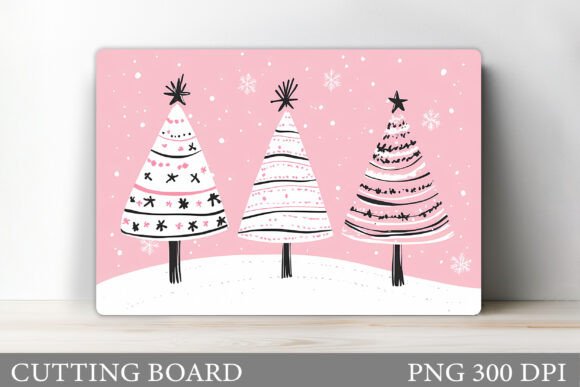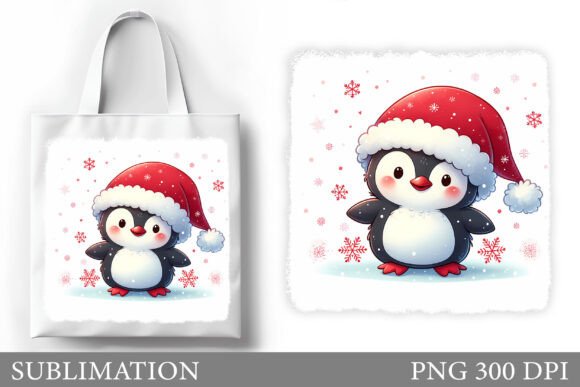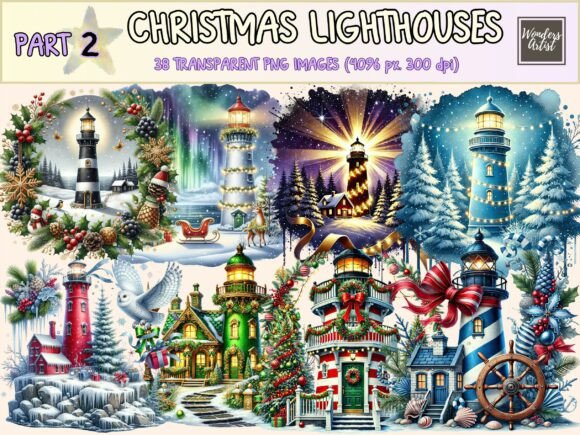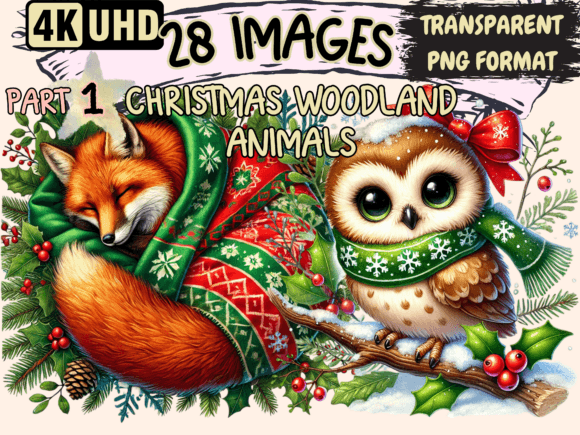
Christmas Slow Animals Design & Illustrations
As someone who has spent years building a portfolio of digital products for Etsy and Creative Fabrica, I have learned that seasonal assets are only as good as their versatility. When I first opened the files for Christmas Slow Animals Design, my immediate thought was not just about the cuteness factor, but about the commercial viability. In the crowded holiday market, standing out requires more than just red and green; it requires a distinct mood. This collection captures a specific niche: the cozy, unhurried charm of winter wildlife. It is not loud or chaotic. Instead, it offers a gentle, rustic aesthetic that appeals to buyers looking for warmth rather than hype.
First Impressions and Market Fit
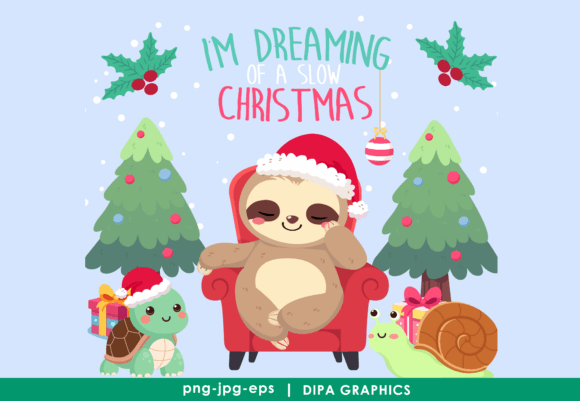
The visual personality of these illustrations leans heavily into the "cottagecore" and modern farmhouse trends that continue to dominate the handmade business sector. The animals depicted—likely sloths, turtles, or snails adorned with festive elements like scarves, hats, or holly—create an instant emotional connection. They feel playful yet calm. This is crucial because it differentiates the asset from the thousands of high-energy, cartoonish Santa designs flooding the market. For a seller, this means you are targeting a specific audience: parents who want gentle nursery decor, crafters who prefer subtle humor, and designers creating premium, minimalist holiday goods.
When evaluating a graphic design asset like this, I look for clarity in line work and balance in composition. These designs hold up well because they do not rely on excessive detail that gets lost when scaled down. The simplicity allows the character of the animal to shine through, making it an ideal candidate for various digital product applications. Whether you are a Cricut user looking for clean cut lines or a print-on-demand seller needing bold visuals for apparel, the foundational art style supports both needs without requiring heavy editing.
Practical Applications for Online Sellers
The true test of any commercial design is how many different products it can support. I tested these files across several mockups to see where they performed best. Here is how you can leverage this design bundle in your shop:
- Apparel and Soft Goods: The designs work exceptionally well as t-shirt design elements. Because the subjects are "slow" animals, pairing them with witty holiday text creates a humorous contrast that sells. They also translate beautifully to mug design layouts, where the central figure can be wrapped around the curve of the cup without losing impact.
- Paper Crafts and Stationery: For those selling printable design files, these illustrations are perfect for greeting cards and invitation templates. The whimsical nature fits seamlessly into scrapbooking kits and planner stickers. If you are creating a sticker design sheet, ensure you add a white border in your software to make peeling easier for customers.
- Home Decor and Sublimation: As a sublimation design, these images pop on light-colored mugs, tote bags, and pillowcases. The color palette typically associated with this theme—soft greens, warm browns, and festive reds—looks premium on blank merchandise. They also serve as excellent focal points for printable wall art, especially in nurseries or children’s rooms where a calming holiday vibe is desired.
- Digital Templates: If you sell Canva template files, these assets can be pre-placed into social media posts or blog graphics. They help small business owners create cohesive social media graphics during the busy Q4 season without needing advanced design skills.
Enhancing Product Presentation
A great asset is useless if it is not presented correctly. When listing an Etsy product or listing on a creative marketplace, your thumbnail is everything. I found that Christmas Slow Animals Design works best when given breathing room. Do not crowd the thumbnail with too much text. Let the illustration speak. Use high-quality product mockup scenes that match the rustic or cozy vibe of the art. For example, place the design on a knitted sweater mockup or a wooden table setting rather than a sleek, modern tech background. This reinforces the brand identity and helps with visual storytelling.
Consistency is key for perceived value. If you are building a seasonal collection, use these design assets across multiple items. Create a bundle that includes a tumbler wrap, a matching sticker, and a card template. This increases the average order value and encourages customers to buy the whole set. The cohesive look builds customer trust, showing that you are a professional seller who understands visual hierarchy and brand consistency.
Where to Use Caution
While versatile, this asset is not a one-size-fits-all solution. There are specific scenarios where you should use it carefully. First, avoid using these detailed illustrations on very small products like tiny jewelry tags or favortags unless you simplify the design. Fine details in fur or facial expressions can blur when printed at a small scale. Second, be mindful of background contrast. If you are placing these on dark backgrounds for a Cricut project or sublimation, ensure you have a solid white underbase or outline, otherwise, the colors may look muddy.
Additionally, if you are creating complex layouts with heavy text, these characters might compete for attention. They are strong focal points. Do not layer them over busy patterns or intricate packaging design elements. Keep the surrounding design minimal to let the clipart stand out. For vinyl cutting, always inspect the SVG design nodes. While generally clean, some intricate inner details might need welding or simplifying to ensure the material does not tear during weeding.
Seller Notes and Best Practices
Before you publish your listings, take the time to test the files thoroughly. Download the PNG design files and check the transparency. A clean, crisp edge is essential for professional-looking overlays. Test print the colors on your home printer or send a sample to your print provider to ensure the hues match your screen. Color variation is common, and managing customer expectations starts with accurate previews.
Typography pairing is another critical element. These illustrations pair beautifully with handwritten fonts or soft serif fonts that mimic the organic, gentle feel of the animals. Avoid harsh, industrial sans-serif fonts unless you are going for a specific ironic contrast. Organize your files clearly for your customers. Include folders for SVG, PNG, and JPG formats, and provide a clear commercial license document. This reduces customer service queries and positions your shop as reliable and user-friendly.
Finally, consider the lifecycle of the product. While this is a holiday asset, the "slow animal" theme has evergreen appeal. You can repurpose these files for non-holiday products by removing the festive accessories, extending the value of your purchase. By treating Christmas Slow Animals Design as a flexible component of your broader small business branding strategy, you maximize your return on investment and create a more robust, diverse product catalog.