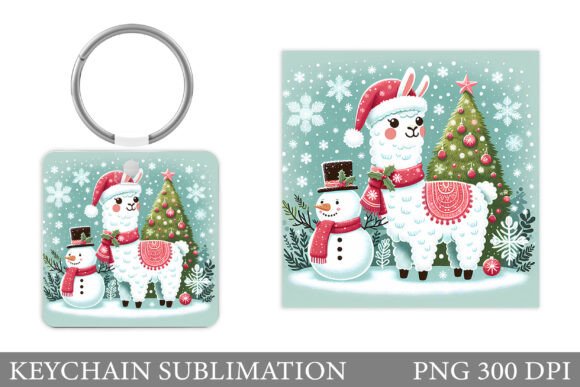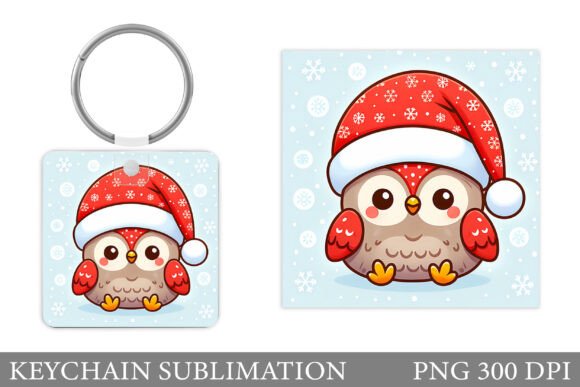
Reviewing the Christmas Owl Keychain Sublimation Design
As a designer who has spent countless hours digitizing and testing embroidery files, I approach every new asset with a mix of curiosity and skepticism. We have all been there: you download a digital embroidery file that looks stunning in the preview thumbnail, only to find it turns into a tangled mess of thread once it hits the fabric. That is why I took a close look at the Christmas Owl Keychain Sublimation design. While the title suggests a sublimation focus, evaluating its potential as an embroidery project reveals interesting insights for those of us creating handmade products for the holiday season.
First Impressions and Visual Personality
The immediate appeal of this design lies in its thematic warmth. Owls are perennial favorites in the crafting world, but adding a Christmas twist requires a delicate balance. You do not want the design to feel cluttered or overly busy, especially when scaling down for smaller items. The Illustrations category often implies a certain level of artistic detail, and here, the layout feels intentional. The visual personality is cozy and whimsical, making it an ideal candidate for holiday embroidery that aims to evoke nostalgia rather than just seasonal decoration.
When I first loaded the design into my viewer, I looked closely at the line work. For a keychain-sized application, clarity is king. If the lines are too thin, they will get lost in the texture of the fabric. If they are too dense, the item becomes stiff and unappealing. This design seems to prioritize bold, recognizable shapes, which is a smart move for small-scale applications. It creates a mood that is friendly and inviting, perfect for personalized gifts that need to make an instant emotional connection with the recipient.
Real-World Application: Beyond the Keychain
While the product title specifies a keychain, my mind immediately went to broader applications. In my shop, I am always looking for versatile design assets that can be repurposed across different product lines. Let’s say you are preparing a custom order for a local boutique. They want a cohesive holiday collection. This owl design could easily transition from a keychain fob to a charming accent on a tote bag design. Imagine it stitched onto a canvas tote in deep forest green thread; the contrast would be striking and sophisticated.
I also considered its use in custom apparel. A left-chest placement on a heavy-weight sweatshirt embroidery project would look fantastic. The owl’s round shape complements the curve of the chest area well. However, for larger garments, you might need to scale it up carefully. If the original file is optimized for a small hoop, enlarging it too much could reveal gaps in the fill stitch coverage or make the satin stitch borders look uneven. Always check the scalability before committing to a large run of commercial embroidery items.
For baby embroidery, this design could work on a bib or a blanket corner, provided the thread colors are soft and the backing is secure. Parents love unique, handmade touches, and an owl is gender-neutral enough to appeal to a wide audience. Just ensure that any tiny details, like eyes or beak accents, are secured well to withstand washing and chewing.
Technical Considerations for Stitchers
Let’s talk about the nuts and bolts of stitching this out. When working with any machine embroidery design intended for small items, your choice of stabilizer is critical. For a keychain or patch, I recommend a cut-away stabilizer if the fabric is stretchy, or a heavy tear-away if you are using a stable woven cotton. The goal is to prevent puckering, which can ruin the crisp lines of the owl’s feathers or facial features.
Thread colors play a massive role in how this design performs. Since it is a Christmas theme, you might be tempted to use traditional reds and greens. However, consider testing it in monochrome or metallic threads for a more upscale look. A gold running stitch outline on a velvet fabric could elevate the finished product from crafty to luxurious. Always test your thread tension on scrap fabric first. Small designs are less forgiving of tension issues because there is less surface area to distribute the pull.
Be mindful of stitch density. If the design has dense areas, such as the owl’s body or wings, ensure your machine can handle the buildup of thread without breaking needles. If you are stitching on textured fabrics like towels or fleece, you may need to adjust the underlay stitches to ensure the top stitches sit properly on the surface. This is particularly important for embroidered patch creation, where the edge finish needs to be clean and professional.
Where to Use Caution
Not every fabric is a friend to detailed embroidery. I would advise against using this design on very thin or slippery fabrics like silk or chiffon unless you are an experienced digitizer who can modify the file. The hoop size is another constraint. If you are trying to fit this into a 4x4 hoop, ensure there is enough margin around the design for the hoop to grip the fabric securely without crushing the stitches. Curved surfaces, like caps, require careful positioning. An owl design centered on a cap panel can look distorted if not aligned perfectly with the seam.
Also, consider the end-user’s care instructions. If this is going on a kitchen towel or an apron that will be washed frequently, avoid using delicate threads like rayon if durability is a concern. Polyester threads hold up better to frequent laundering and high heat. For Etsy sellers and small shop product creators, customer satisfaction hinges on longevity. A beautiful design that falls apart after one wash will hurt your brand consistency and buyer engagement.
Enhancing Product Value and Brand Trust
Using high-quality Illustrations in your embroidery workflow signals professionalism. When customers see clean, well-executed stitching, they trust the maker. This owl design, when stitched correctly, adds perceived value to the item. It transforms a plain blank into a personalized gift that feels thoughtful and exclusive. For craft business owners, this translates to higher price points and better margins.
To maximize this, create printable mockup images that show the design in situ. Show the owl on a keychain, but also show it on a mug wrap (if using sublimation) or a pillow cover. This helps buyers visualize the versatility of the design. Consistency in your presentation across your online store builds recognition. If you are selling the digital embroidery file itself, provide clear photos of the stitched output on different fabrics. This reduces customer support queries and increases confidence in the purchase.
Final Designer Notes
Before you launch into production, take these practical steps. First, verify the license terms. Can you use this for commercial embroidery projects? Most designers allow finished product sales, but some restrict the resale of the digital file itself. Second, check the file formats provided. Ensure you have the format compatible with your machine, whether it is PES, DST, or EXP. Third, do a test stitch. Run the design on a similar fabric to your final product. Check for thread breaks, jumps, or alignment issues.
In summary, the Christmas Owl Keychain Sublimation design offers a charming aesthetic that fits well within the holiday market. Its success, however, depends entirely on your execution. By paying attention to stabilizer choice, thread quality, and fabric compatibility, you can turn this simple illustration into a standout handmade product. Whether you are an Etsy seller looking for your next bestseller or a hobbyist making gifts for family, this design has the potential to delight. Just remember: the magic is in the details, and the details are in the stitching.