Watercolor Christmas Duck Illustrations Review
As a graphic designer who has spent the better part of two decades refining brand identities and crafting marketing visuals for small businesses, I have developed a keen eye for what makes a graphic design asset truly viable. It is not just about aesthetics; it is about versatility, emotional resonance, and technical reliability. Recently, I had the opportunity to integrate Watercolor Christmas Funny Duck Clipart into a seasonal campaign for a boutique handmade goods client. The goal was to inject warmth and whimsy into their holiday packaging without sacrificing professional polish. Here is my practical review of how these Illustrations perform in real-world design scenarios.
First Impressions: Mood and Visual Style
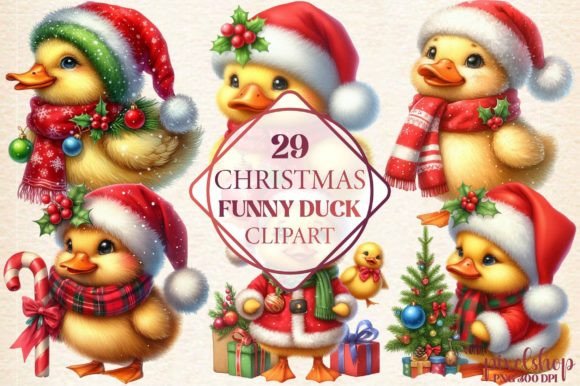
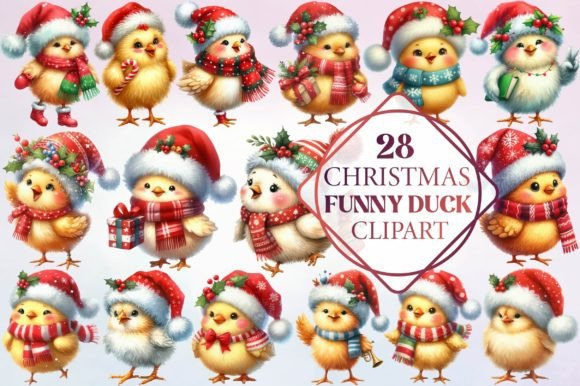
The immediate impact of this clipart set is its ability to balance humor with traditional holiday charm. The watercolor technique provides a soft, organic texture that feels authentic rather than digitally sterile. For a client targeting families and gift-givers, this mood is crucial. It evokes nostalgia while remaining fresh and modern. The ducks are depicted in playful poses—wearing scarves, holding ornaments, or slipping on ice—which adds a narrative element to the design. This is not just decoration; it is storytelling. In the context of small business branding, such personality helps differentiate a product in a crowded creative marketplace.
Versatility Across Design Mediums
One of the primary concerns when selecting a digital product for client work is adaptability. I tested these assets across various formats to determine their range. They excel in packaging design, where the soft edges of the watercolor blend beautifully with kraft paper or matte white boxes. For print-on-demand applications, such as t-shirt design or tote bags, the high-resolution PNG files hold up well, provided the background is removed correctly. The transparency allows for seamless integration onto colored fabrics, a critical feature for apparel designers.
In the realm of social media graphics, these ducks serve as excellent hero elements for Instagram posts and Pinterest pins. Their quirky nature encourages engagement, making them ideal for holiday promotions or behind-the-scenes content. For bloggers and publishers, they function effectively as header images or inline accents in editorial design, breaking up text and adding visual interest. When used in Canva templates, they offer non-designers an easy way to create professional-looking holiday cards or invitations.
Strategic Placement and Visual Hierarchy
Understanding where to place these Illustrations is key to maintaining visual hierarchy. They work best in large layout areas where their details can be appreciated. Using them as focal points on product mockups or as central elements in flyer designs draws the eye immediately. However, they also serve well as decorative accents in corner positions or as subtle background patterns when opacity is adjusted. For sticker design, the distinct outlines of the ducks make them perfect for die-cut shapes, appealing to both children and adults looking for festive decor.
For Cricut projects and other crafting applications, the clarity of the shapes is essential. While these are primarily raster images, their clear definition allows for easy tracing if converted for cutting machines. This makes them a valuable addition to any design bundle aimed at crafters and DIY enthusiasts. In web design, they can be used sparingly to add festive flair to landing pages without overwhelming the user experience.
Where Caution Is Required
Despite their charm, there are contexts where Watercolor Christmas Funny Duck Clipart should be used carefully. Due to the soft, blended nature of watercolor, these assets may lose definition at very small sizes. They are not suitable for intricate logo design where scalability and sharp lines are paramount. Additionally, placing them on busy or low-contrast backgrounds can reduce their visibility. Designers must ensure sufficient contrast between the duck illustrations and the background color to maintain readability and impact.
For corporate or highly minimalist brands, the whimsical style might clash with the established brand identity. It is essential to consider the target audience and brand voice before integrating such playful elements. In professional corporate materials, a more subdued approach might be necessary, perhaps using the ducks only in internal communications or casual social media posts rather than formal reports or official announcements.
Technical Considerations for Professional Use
Before delivering any final files to a client, I conduct a series of technical checks. First, I test the clipart in black and white to ensure the forms remain recognizable without color. This is crucial for certain printing methods or monochromatic design themes. Next, I check contrast on both light and dark backgrounds. Watercolors often have semi-transparent edges, which can look muddy on dark colors if not properly masked or outlined.
Previewing the assets at various sizes is another critical step. I zoom out to thumbnail size to see if the main features of the duck are still visible. I also place them on real product mockups to gauge how they interact with physical textures like paper grain or fabric weave. If the package includes SVG files, I inspect the vector paths for cleanliness and editability. For PNG designs, I verify the resolution is at least 300 DPI for print quality.
Typography pairing is another aspect I evaluate. These watercolor ducks pair well with handwritten or script fonts that mimic the organic feel of the illustration. However, for better readability in marketing visuals, I often combine them with clean sans serif fonts for body text and display fonts for headlines. This creates a balanced composition that is both playful and professional.
Commercial Viability and Licensing
For designers working with clients, confirming the commercial license is non-negotiable. Whether you are creating an Etsy product, a sublimation design for mugs, or a printable design for wall art, you must ensure the license covers your intended use. Most reputable design assets providers offer clear terms, but it is always wise to read the fine print. Using unlicensed assets can lead to legal issues and damage your professional reputation.
From a business perspective, incorporating unique and high-quality clipart like this can enhance the perceived value of your services. It shows attention to detail and a commitment to providing custom, engaging visuals. For handmade business owners, these illustrations can become a signature element of their holiday collection, helping to build brand recognition and customer loyalty.
Final Verdict
In conclusion, Watercolor Christmas Funny Duck Clipart is a strong contender for any designer’s toolkit during the holiday season. Its blend of humor, warmth, and artistic quality makes it suitable for a wide range of applications, from packaging design to social media graphics. While it requires careful handling regarding size and background contrast, its versatility and emotional appeal make it a valuable asset for creating memorable and engaging creative design projects. By following best practices for integration and licensing, designers can leverage these Illustrations to deliver exceptional results for their clients.