Reviewing Watercolor Christmas Fairy Clipart for Embroidery
As a designer who spends more time staring at stitch simulations than I care to admit, I have learned that not every pretty image translates well to thread. We often get swept up in the aesthetic of a digital file, forgetting that embroidery is a tactile medium with physical limitations. Recently, I pulled the Watercolor Christmas Fairy Clipart into my workspace to evaluate its potential for actual production. This isn’t just about whether it looks cute on a screen; it is about whether it holds up under the needle, survives the wash, and sells in a crowded marketplace.
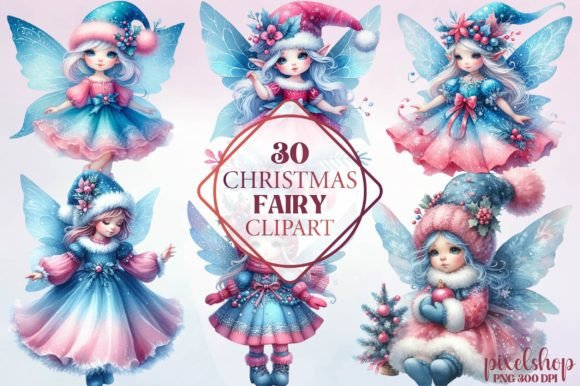
The first impression of this design is undeniably soft. The watercolor style brings a dreamy, ethereal quality that stands in stark contrast to the rigid, geometric nature of standard machine embroidery. For those of us creating holiday embroidery collections, this shift toward organic, painterly visuals is refreshing. However, translating watercolor effects into stitches requires a keen eye for detail. The layout suggests a gentle, whimsical mood, perfect for projects that aim to evoke nostalgia rather than bold, modern graphic statements.
From Screen to Stitch: Real-World Application
I recently worked on a custom order for a boutique client who wanted a line of limited-edition holiday gifts. She was hesitant about using traditional red and green motifs, fearing they looked too generic. This is where the Watercolor Christmas Fairy Clipart became a viable solution. I envisioned this design centered on a cream-colored linen tote bag design. The soft blends of the fairy’s wings and the surrounding botanical elements would complement the natural texture of the fabric beautifully.
When considering sweatshirt embroidery, the approach changes slightly. A heavy fleece or cotton blend provides a stable canvas, but the nap of the fabric can swallow fine details. In this real-life scenario, I had to assess whether the delicate gradients of the watercolor style would get lost. The key here is simplification. If the original Illustrations are too complex, the embroidery file must rely on strategic fill stitch placement rather than attempting to mimic every brushstroke. For a sweatshirt, I would recommend scaling the design up slightly to ensure the fairy’s features remain distinct against the textured background.
Another practical application is in baby embroidery. Parents are increasingly looking for gender-neutral or soft-themed items for nursery decor. A pillow cover or a muslin blanket featuring this fairy could serve as a cherished keepsake. However, because baby items undergo frequent washing, the durability of the stitch work is paramount. The watercolor aesthetic implies softness, which aligns perfectly with baby products, but the structural integrity of the embroidery must be robust.
Navigating Technical Challenges
While the artistic merit of the Watercolor Christmas Fairy Clipart is high, there are technical hurdles that every embroiderer must address. Watercolor designs often rely on subtle color transitions. In embroidery, we achieve this through thread blending or varying stitch angles. If you are using a standard digital embroidery file without manual editing, you must check the stitch density. High density in small areas can cause puckering, especially on lighter fabrics.
I strongly advise testing this design on scrap fabric before committing to your final product. Pay close attention to how the thread colors interact. On dark fabrics, the pastel tones typical of watercolor art may not pop unless you use an underlay or choose brighter thread shades. Conversely, on white or light fabrics, ensure that the stabilizer does not show through the lighter stitches. A cut-away stabilizer is usually best for garments that will be washed, while a tear-away might suffice for decorative items like wall hangings.
Curved surfaces present another challenge. If you plan to use this design on a cap or a curved patch, the center of the fairy’s face or wings might distort. The hoop size must be appropriate to keep the fabric taut without stretching it out of shape. For smaller hoops, you may need to crop the design or focus on a specific element, such as just the fairy’s silhouette, to maintain clarity. Tiny details, like the tips of wings or small floral accents, can easily become tangled knots if the stitch count is too high for the area.
Commercial Viability and Brand Consistency
For Etsy sellers and small shop owners, the visual appeal of a product drives clicks. The Watercolor Christmas Fairy Clipart offers a unique selling point because it differs from the saturated, cartoonish designs that flood the market. It appeals to customers looking for sophistication and artistry. When creating printable mockup images for your online store, ensure that the digital representation matches the stitched reality. Misleading previews can lead to returns and negative reviews.
This design fits well within a broader brand identity focused on handmade, artisanal goods. It works exceptionally well for personalized gift items, such as monogrammed aprons or custom embroidered patch sets. The whimsical nature of the fairy allows for creative pairing with text, though you must be cautious with typography. Pairing a delicate watercolor image with heavy, blocky fonts can create visual dissonance. Instead, opt for script or serif fonts that echo the elegance of the fairy’s form.
From a commercial standpoint, versatility is key. This design can be adapted for various design assets, including digital papers or printable cards, if your license permits. However, always confirm the licensing terms before selling finished items or digital products. Some creators allow commercial use for physical goods but restrict digital redistribution. Knowing these boundaries protects your craft business from legal issues.
Practical Designer Notes for Best Results
To get the most out of the Watercolor Christmas Fairy Clipart, consider these practical steps during your production process:
- Test on Multiple Fabrics: Stitch the design on cotton, linen, and polyester blends to see how the threads settle. Textured fabrics may require adjusted tension.
- Check Contrast: View your design in black and white on your computer screen. If the details disappear in grayscale, they will likely get lost in stitching. Adjust thread choices accordingly.
- Review Stitch Types: Look for a mix of satin stitch for borders and running stitch for fine details. Avoid excessive fill stitches in small areas to prevent bulk.
- Verify File Compatibility: Ensure the embroidery file format matches your machine. Common formats include PES, DST, and JEF. If the format is not listed, contact the seller.
- Consider Applique Options: If the watercolor effect is too difficult to stitch directly, consider converting parts of the design into an applique design. Using fabric pieces can mimic the painted look more effectively than thread alone.
- Inspect Small Details: Zoom in on the digital preview. Are there tiny jumps or unnecessary trims? Cleaning up the pathing can save time and reduce thread waste.
In conclusion, the Watercolor Christmas Fairy Clipart is a strong contender for designers looking to add a touch of whimsy and elegance to their holiday collections. It requires thoughtful execution regarding fabric choice, stabilizer use, and thread selection, but the payoff is a sophisticated finished product that stands out. Whether you are creating a single personalized gift or a full line of commercial embroidery items, this design offers the flexibility and charm needed to engage buyers. Just remember to respect the limitations of the medium, test thoroughly, and let the soft beauty of the watercolor style guide your stitching decisions.