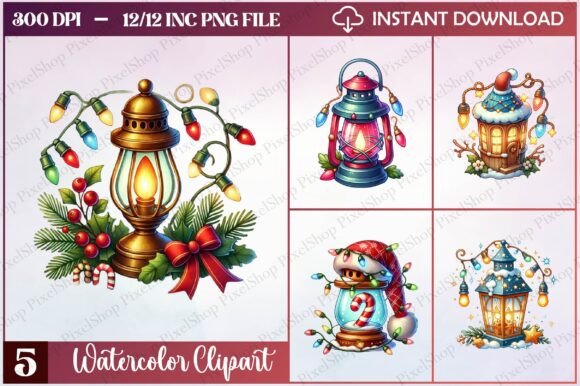
Reviewing Watercolor Christmas Light Clipart for Embroidery
As a designer who spends more time staring at stitch simulations than I do sleeping, I have learned that not every pretty image translates well to thread. We often get swept up in the aesthetic of digital Illustrations, forgetting that embroidery is a tactile medium with physical limitations. Recently, I evaluated the Watercolor Christmas Light Clipart to determine its viability for real-world projects. My goal was not just to admire the art, but to stress-test it against the realities of hoop tension, fabric texture, and commercial viability.
First Impressions: Mood and Visual Personality
The immediate appeal of this Watercolor Christmas Light Clipart lies in its softness. Unlike vector-based graphics that feature hard, unforgiving lines, this design carries the organic bleed and gentle gradients typical of watercolor media. For holiday-themed projects, this creates a nostalgic, warm mood that feels less like mass-produced decor and more like a handmade heirloom. The layout suggests a string of lights, likely with varying bulb shapes and subtle glows. This visual personality is crucial because it dictates where the design belongs. It does not scream for attention with aggressive contrast; instead, it invites a closer look. For an embroidery designer, this means the piece is best suited for projects where subtlety and charm are prioritized over bold, graphic impact.
Real-World Application: The Tote Bag Test
To understand how this design performs, I mentally placed it on a canvas tote bag, a staple for any Etsy seller or craft business during the holiday rush. Canvas has a distinct weave, which can sometimes interfere with fine details. However, the watercolor style works in our favor here. Because the edges are soft, minor imperfections in stitching alignment are less noticeable than they would be with a crisp geometric shape. Imagine this Watercolor Christmas Light Clipart stitched across the lower third of a natural cotton tote. The result is a sophisticated, boutique-style accessory rather than a childish novelty item. It elevates the perceived value of the handmade product, making it an ideal candidate for gift sets or premium packaging additions.
Beyond tote bags, consider sweatshirt embroidery. A crewneck sweatshirt provides a stable, thick surface that handles stitch density well. Placing these lights on the chest pocket area or sweeping them across the shoulder blade creates a cozy, festive vibe. The soft gradients of the clipart translate beautifully into thread blends, allowing you to use variegated threads to mimic the watercolor effect without complex digitizing tricks. This is a significant advantage for small shop owners who want high-impact visuals without excessive machine run-time.
Fabric and Technique Considerations
While the design is versatile, it is not universal. You must exercise caution when applying this Watercolor Christmas Light Clipart to challenging materials. For instance, on stretchy fabrics like jersey knits for baby embroidery items, stability is key. Without a proper cut-away stabilizer, the gentle curves of the light strings could pucker or distort after washing. The watercolor effect relies on smooth transitions; if the fabric shifts, those transitions break, ruining the illusion.
Similarly, be mindful of dark fabric backgrounds. Watercolor designs often rely on white space or light tones to create the "glow" of the lights. If you stitch this directly onto black navy fleece, you may lose the delicate highlights unless you incorporate an underlay or use a satin stitch border to define the shapes. In such cases, converting parts of the design into an applique design might be a smarter route. By using felt or cotton scraps for the bulbs and only stitching the connecting wires, you preserve the color integrity while reducing stitch count and bulk.
For embroidered patch creation, this design offers a unique challenge and opportunity. Patches require dense stitching to prevent fraying and ensure durability. The soft edges of the watercolor style might need to be tightened slightly in the digitizing phase to ensure clean cuts. A fill stitch will be essential for the bulbs to achieve solid coverage, while a running stitch or thin satin stitch could effectively handle the wire connections. Always test the stitch density on scrap fabric first. If the design is too dense, it will become stiff and cardboard-like, losing the soft aesthetic that makes it appealing.
Commercial Viability and Brand Consistency
For commercial embroidery professionals, consistency is currency. Using the Watercolor Christmas Light Clipart across a product line—such as matching pillow covers, kitchen towels, and aprons—creates a cohesive brand identity. Customers trust brands that present a unified visual language. This design’s gentle nature fits perfectly into a "modern farmhouse" or "cozy minimalist" brand aesthetic. It avoids the cluttered look of traditional holiday motifs, appealing to a demographic that values understated elegance.
When creating printable mockup assets for your online store, this design shines. Its artistic quality looks exceptional in digital previews, helping to drive clicks and engagement. However, remember that what looks good on a screen must hold up in hand. Ensure that the thread colors you select match the digital preview closely. Mismatched threads can make a watercolor design look muddy rather than blended. Invest time in comparing your physical thread chart against the digital file to maintain professionalism.
Practical Designer Notes for Execution
Before you load this digital embroidery file into your machine, take a moment to review the technical specifics. Since exact stitch counts and formats were not provided in the initial brief, you must verify these details yourself. Check if the file is compatible with your specific machine brand. Review the recommended hoop size; attempting to shrink a large design into a 4x4 hoop can compress the details, turning delicate watercolor bleeds into indistinguishable blobs.
- Test on Scrap Fabric: Always run a test stitch-out on the same fabric type you intend to use for the final finished product. This reveals issues with tension and registration.
- Check Contrast: View your design in black and white. If the lights disappear against the background in grayscale, they will lack definition in thread. Adjust your fabric choice or thread palette accordingly.
- Inspect Small Details: Zoom in on the digitized file. Are there tiny jumps or unnecessary trims? Clean up the pathing if necessary to reduce thread waste and machine wear.
- Licensing Verification: Confirm the license terms. Can you use this Watercolor Christmas Light Clipart for physical goods? Can you sell the digitized file itself? Most clipart licenses allow for physical end products but restrict the resale of the digital asset. Clarify this to protect your craft business from legal issues.
- Stabilizer Selection: Match your stabilizer to your fabric. Use tear-away for stable woven cottons and cut-away for stretchy knits or items that will undergo frequent washing, like tote bag design applications or daily-wear apparel.
Final Verdict
The Watercolor Christmas Light Clipart is a strong contender for designers looking to add a touch of artistic warmth to their holiday collections. It bridges the gap between digital art and tactile craft, offering a modern alternative to traditional holiday motifs. While it requires thoughtful execution regarding fabric choice and stabilization, the payoff is a sophisticated, high-value personalized gift or retail item. For the small shop product lineup, it offers versatility and visual appeal that can enhance customer trust and buyer engagement. Just remember: respect the medium, test your tensions, and let the softness of the watercolor guide your stitching strategy.